When traveling in Seoul, there are moments when you want to step away from the city’s fast pace and spend a quiet hour somewhere calm. For me, Seosomun Shrine History Museum is exactly that kind of place. Located right in the center of Seoul, this museum offers a peaceful atmosphere and—most importantly—free admission, making it a great stop for both first-time visitors and long-term travelers.
Today, I’ll guide you through a simple but meaningful course: Seosomun Shrine History Museum → Local Korean restaurant → Café. I’ve included my personal impressions so you can get a real sense of the experience.
1. What Kind of Place Is Seosomun Shrine History Museum?
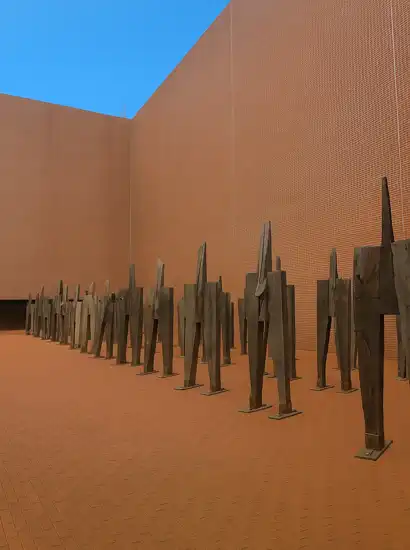
Seosomun Shrine History Museum is a cultural and historical space built on the site where many Catholic martyrs were executed during the late Joseon Dynasty. Above ground, there is a quiet urban park; underground, you’ll find a museum designed with warm red bricks and soft natural light.
As I walked down the stairs, sunlight pouring through the ceiling created a calm, almost sacred atmosphere. Although Seoul’s busy roads are just above, the air feels completely different once you enter.
2. Historical Background of the Seosomun Area
During the Joseon era, this area—now home to the Seosomun Shrine History Museum—was one of the busiest commercial and transportation hubs outside the old Seoul fortress. Markets thrived here, and goods from the southern provinces flowed in daily.
However, because it was close to major government judicial offices, this same area eventually became the official execution ground of the state. Knowing this history adds emotional weight when walking through the Seosomun Shrine History Museum today.
3. Why This Place Became a Martyrdom Site
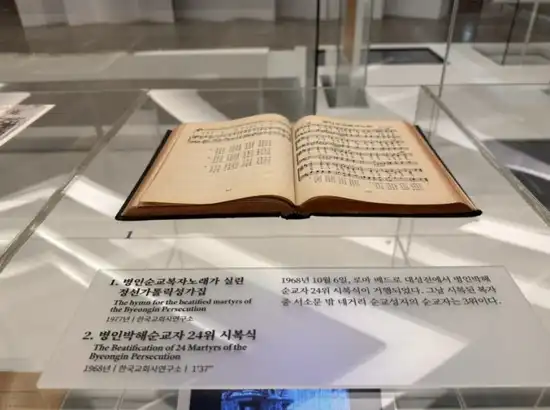
During the Catholic persecutions of the 18th and 19th centuries, many believers were executed here—people whose names and stories are still recorded today inside the museum.
Standing in front of those records, I found myself imagining their final thoughts. It left a quiet but lasting impression, especially for travelers interested in Korean history and culture.
4. Highlights of the Permanent Exhibition
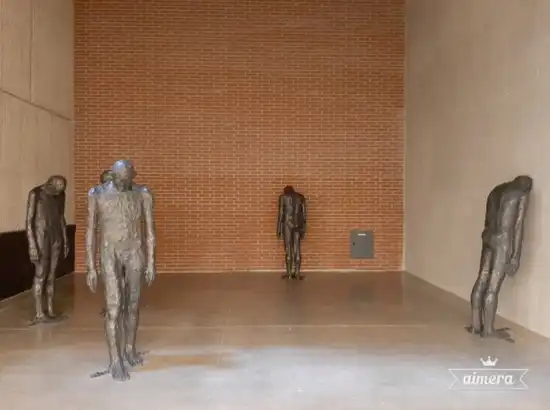
The exhibition at the Seosomun Shrine History Museum combines history, storytelling, and modern design, making it one of the most unique Seoul museums.
Key points include:
- Historical reconstruction of the execution ground
- Personal stories and records of Catholic martyrs
- Media-based installations and lighting displays
- The famous Sky Courtyard, where you can look up at an open patch of sky
The Sky Courtyard was my favorite spot—calm, bright, and unexpectedly peaceful for the center of Seoul.
5. Visitor Information (Hours, Admission, Location)
| Category | Details |
|---|---|
| Admission | Free |
| Opening Hours | 09:30–17:30 |
| Closed | Mondays, major Korean holidays |
| Address | 5 Chilpae-ro, Jung-gu, Seoul |
| Subway | 6-minute walk from Chungjeongno Station / 12 minutes from Seoul Station |
Easy to access, simple to explore—ideal for adding to a Seoul travel itinerary.
6. How to Get There (Walking Routes)
Route 1: Chungjeongno Station (Line 2 & 5) → 6 minutes
The most convenient route for most travelers.
Route 2: Seoul Station → 10–12 minutes
Perfect if you’re already exploring the central Seoul area. I walked from Seoul Station, and the contrast between the busy streets and the quiet museum felt refreshing.
7. My Experience – The Atmosphere Inside
The interior is spacious and calm, with soft lighting guiding your steps. As I moved through the exhibition, my thoughts naturally slowed down, which rarely happens during a fast-paced Seoul trip. The moment I looked up at the sky from the courtyard, I felt as if I had stepped into a different world—still in Seoul, yet somehow far away.
8. Recommended Restaurant Near the Museum – Jeongdong 1946
After the museum, I highly recommend having lunch at Jeongdong 1946, a clean, modern Korean BBQ restaurant located nearby. It’s a great place to introduce foreigners to Seoul food, and the atmosphere is comfortable for all types of travelers. I ordered the Grilled Bulgogi Set, and the lightly crispy edges of the meat with its sweet-savory seasoning were memorable.
Menu Highlights
| Dish | Price |
|---|---|
| Charcoal-Grilled Bulgogi Set | 13,000 KRW |
| Jeongdong Galbitang (Beef Soup) | 18,000 KRW |
| Garlic Marinated Short Ribs | 39,000 KRW |
| Korean Beef 2-Person Set | 117,000 KRW |
A great addition to a Seoul food itinerary—easy, delicious, and satisfying.
9. Recommended Café – The House 1932
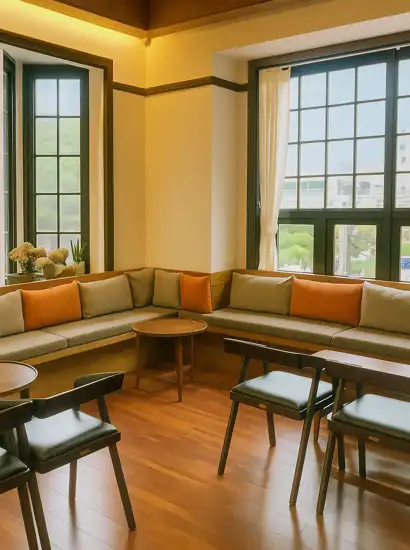
Just a short walk away, The House 1932 is one of the more atmospheric Seoul cafés in the area. The café is built inside a renovated Japanese-style house, giving it a nostalgic and photogenic feel. I tried the milk-salt bread with an Americano, and the combination of soft coffee with salty-sweet bread made for a perfect mid-day break.
Menu Recommendations
- Americano (5,500 KRW)
- Milk Salt Bread (4,000 KRW)
- Dirty Pain au Chocolat (6,500 KRW)
Whether you sit indoors or on the rooftop terrace, it’s a cozy spot to relax before continuing your Seoul travel itinerary.
Travel Course Summary
Seosomun Shrine History Museum → Lunch at Jeongdong 1946 → Coffee at The House 1932
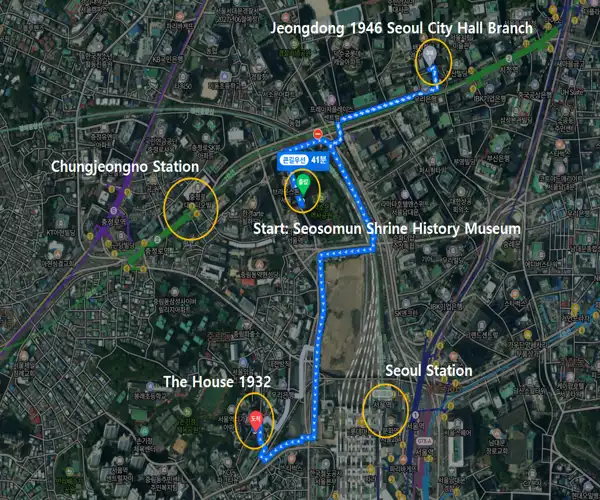
< Source, NAVER Maps >
✓ The walking route from Seosomun Shrine History Museum to Jeongdong 1946 Seoul City Hall Branch and The House 1932 is about 2.1 km, and it takes roughly 40 minutes on foot.
• FAQ
Q1. Is the museum really free?
Yes, all exhibitions are free to the public.
Q2. Is it suitable for foreign visitors?
Absolutely. English-language information is available, and the layout is simple.
Q3. Is photography allowed?
Yes, but avoid using flash in sensitive areas.
“Check out other travel information”