If you wish to understand how traditional Jeju communities lived hundreds of years ago,
Seongeup Folk Village is one of the most valuable cultural heritage sites to explore. This guide provides detailed information on history, highlights, walking routes, and visitor tips
in a friendly and informative style for international travelers.
1. What is Seongeup Folk Village?
Seongeup Folk Village is considered a living traditional village where local residents still occupy the preserved houses. Located in eastern Jeju Island, it is widely known as one of the most historically intact settlements.
The village is designated as a Korean folk heritage site and preserves:
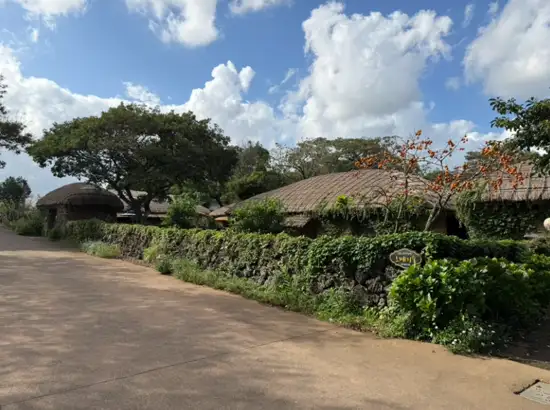
- traditional thatched houses
- lava-stone walls
- communal storage yards
- preserved wells
- historic governmental facilities
Rather than a recreated outdoor museum, Seongeup Folk Village functions as a living heritage environment that reflects original conditions from centuries ago, offering meaningful cultural exposure for visitors.
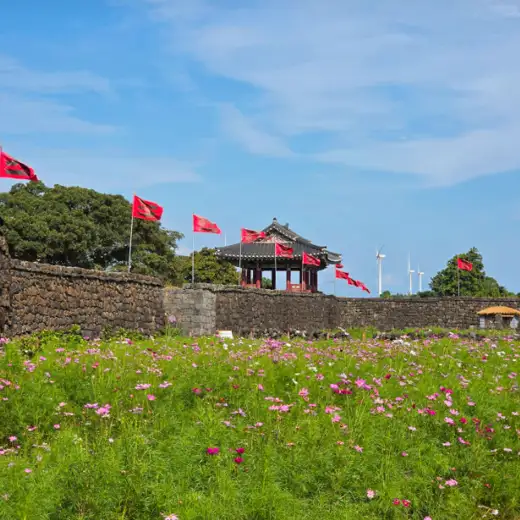
2. Historical Background and Cultural Significance
This area served as an administrative center during the Joseon Dynasty. At that time, it was part of a regional administrative district called “Jeong-ui-hyeon,” meaning an official town.
Because of its location inland, away from coastal raiders and strong winds, the village developed as:
- a public office center
- a stable farming zone
- a traditional housing cluster
The cultural value of Seongeup Folk Village lies in the fact that it retains architectural, historical, agricultural, linguistic, and communal structures in one place.
Unlike other tourist-oriented folk villages, the remaining houses reflect actual lineage-based settlement patterns that developed naturally over time.
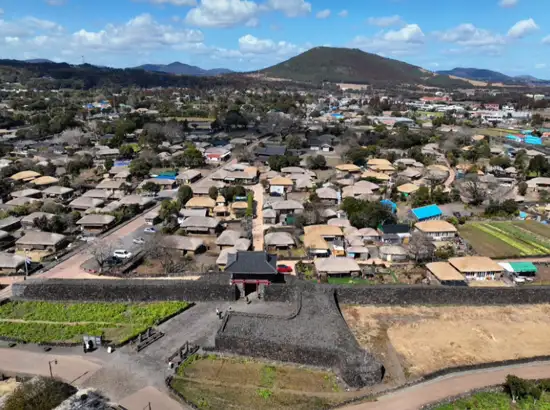
3. Why It Is Considered an Authentic Jeju Traditional Village
Foreign travelers often seek genuine Korean heritage rather than commercial reconstruction sites. Seongeup Folk Village is widely appreciated because it presents:
- real working households
- non-modernized exterior structures
- small alleys shaded by thatched roofs
- original stone wall layering
- decades-old furniture and storage areas
This environment allows visitors to observe tangible elements of rural life while also appreciating landscape design, including wind protection structures and volcanic stone foundations commonly used in Jeju traditional houses.
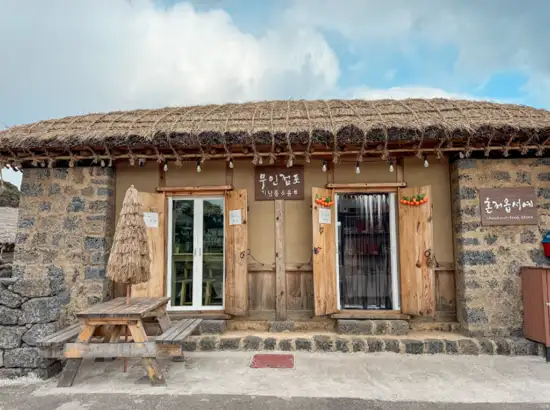
4. Highlights and Cultural Points Inside the Village (Museum-based Viewing)
Although there is no enclosed museum building, the entirety of Seongeup Folk Village functions as an open-air “museum route” where each section offers historical detail.
Recommended highlights:
| Highlight Zone | Key Features |
|---|---|
| Traditional Houses Cluster | Houses made from lava stone & rice-straw roofs |
| Old Administrative Remains | Historic government post location |
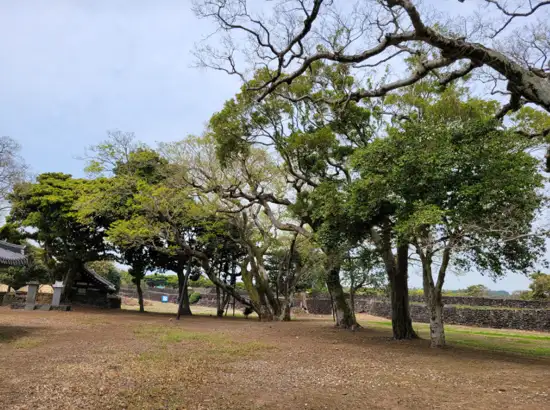
| Heritage Courtyard | Trees older than 200–300 years |
| Traditional Tools Corner | Millstones and farming implements |
| Stone Guardian Statues | Local symbols for protection |
Many travelers search “Jeju traditional village museum” and this village is the closest authentic match to that concept.
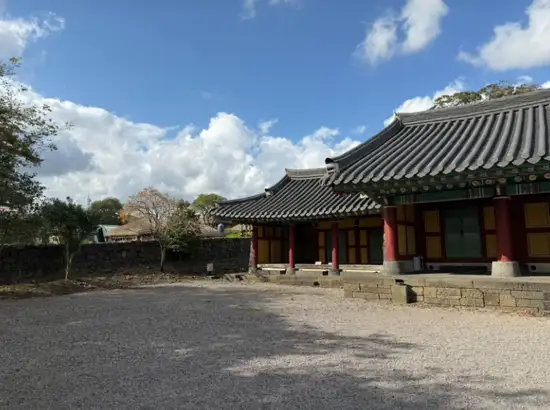
5. Entrance Policy & Visitor Cost Information
One of the reasons travelers appreciate Seongeup Folk Village is that walking access is entirely free.
✔ Entrance Fee → Free
✔ Parking → Free
✔ Optional Experience → Paid individually
Examples include:
- folk experience programs
- traditional craft sessions
- seasonal cultural activities
Given the quality of heritage exposure, visiting Seongeup Folk Village offers exceptional value for budget-oriented travelers.
6. Photo Spots and Best Times to Capture the Village
Some long-tail searches such as “Jeju folk village photos” are highly popular,
so below are recommended photo points:
• Stone-wall alleys shaded by roof eaves
• Wooden gates against dark volcanic stone
• Community yard of heritage trees
• Traditional millstone area
• House front areas during sunset
Soft ambient lighting around sunset brings warm tones to thatched roofs, and many visitors mention that photos taken here often feel cinematic rather than touristic.
Capturing signage containing Seongeup Folk Village also provides excellent memory documentation.
7. Visitor Reviews Based on International Feedback
Review platforms consistently highlight these comments:
• More authentic than commercialized tourist villages.
• Quiet, peaceful, and historically preserved.
• Great for photography and cultural exposure.
• Easy to walk and self-guided.
Travelers also mention that descriptions in English, Korean, and sometimes Japanese
allow clear understanding of historical context—especially when visiting alone.
Review summaries frequently refer to Seongeup Folk Village as “Jeju’s most accessible heritage settlement.”
8. Suggested Walking Route (Single Route Only)
Recommended route duration: 45–70 minutes depending on photo stops and reading signboards.
Suggested Course
- Village entrance
- Heritage tree courtyard
- Traditional house alley
- Former administrative site
- Stone wall photo zone
- Exit walking path
This route ensures:
✔ exposure to architectural elements
✔ cultural history in one flow
✔ minimal backtracking
The walk is gentle, flat, and suitable for first-time visitors.
9. Nearby Tourism Recommendations for Travelers
Because of its central ease of access, visitors often combine this stop with other attractions.
| Destination | Travel Time | Recommendation |
|---|---|---|
| Seongsan Sunrise Peak | ~20 min | UNESCO-listed volcanic cone |
| Pyoseon Beach | ~10 min | Calm shoreline |
| Baekyagi Oreum | ~8 min | Scenic hilltop trail |
| Hueree Garden | ~12 min | Flower activities |
For travelers planning “Jeju itinerary routes,” pairing this heritage walk with a coastal drive is highly recommended.
Summary for Travelers
Seongeup Folk Village represents one of Jeju’s most preserved historical landscapes.
Rather than displaying staged folk scenes, the environment remains lived-in, making the experience exceptionally meaningful.
This location is ideal for travelers who wish to:
✔ learn about traditional Korean rural architecture
✔ walk through authentic agricultural villages
✔ capture original volcanic stone structures
✔ explore realistic historical pathways
By experiencing its quiet paths and cultural details, your understanding of Jeju’s identity becomes deeper and distinct from modern resort-style areas of the island.
“Check out other travel information”