In Apgujeong–Sinsa, Korean dining choices usually fall into four types: 24-hour soup, premium grilled meat, modern Korean pub-style, and value soup meals. The fastest way to choose is to decide your station area first (Sinsa / Apgujeong / Apgujeong Rodeo).
Your total spend often changes more from extras (noodles, fried rice, drinks) than from the “main dish” itself.
If you search apgujeong korean restaurant, adding a purpose word like late night / group / valet / makgeolli makes results much more accurate.
1. Area Map for apgujeong korean restaurant
Apgujeong is often used as one label, but the walk time changes a lot depending on which station you use. This post groups places by Sinsa Station, Apgujeong Station, and Apgujeong Rodeo Station for easier planning.
For first-time visitors, choosing a place with the shortest walk usually improves the experience. For navigation, search apgujeong korean restaurant on maps and confirm the nearest exit.
Structured Summary
- Sinsa Station area (walk-friendly): Dakhanmari Gamjatang (Sinsa HQ), Hobo Sikdang (Sinsa Direct)
- Apgujeong Station area (quick meal focus): Samsam Bone Soup (Apgujeong)
- Apgujeong Rodeo area (pub-style dining): The Giwa (Apgujeong Flagship)
- Decision rule
- Quick dinner + return: choose the closest station option
- Group dinner + longer stay: prioritize seating and atmosphere
- By car: prioritize valet/parking support
2. Price Guide for apgujeong korean restaurant
Price differences come from how the meal is structured: “main only” versus “main + extras.” Soup places often rise with noodles and fried rice, while meat places rise with extra portions.
Pub-style Korean dining grows quickly when drinks and multiple share plates are added.
Set your budget range first to avoid overspending.
Table
| Place | Sample Prices (from listing) | Typical Budget Feel (2 ppl) | What Usually Raises Total |
|---|---|---|---|
| Dakhanmari Gamjatang | Chicken pot 30,000 / Spicy chicken stew 32,000 / Pork bone stew 34,000 / Hangover soup 11,000 | Starts around 30k–50k | Noodles + fried rice/porridge |
| Hobo Sikdang | Garlic Galbi half platter 65,000 | Often 70k–120k | Extra meat + rice/noodles |
| The Giwa | Wide menu range (pub-style) | Often 70k–150k | Drinks + more plates |
| Samsam Bone Soup | Bone soup ~11k–12k | Often 20k–40k | Add-ons/sides |
3. Hours Check
Operating hours are the quickest filter when choosing an apgujeong korean restaurant, because they decide what’s even possible. A 24-hour option can be ideal for late arrivals, but peak times may still involve waiting.
If last order is early, arriving late can limit what you can order.
Always confirm the latest hours on the official booking/listing page before you go.
Detailed Summary
- Dakhanmari Gamjatang: Listed as 24 hours
- Hobo Sikdang: Last order listed around 20:40
- The Giwa: Listed closing around 23:00
- Samsam Bone Soup: Last order listed around 21:30
4. Dakhanmari Choice
This option fits travelers who want a warm, filling Korean meal with a simple ordering flow. The meal usually builds in stages: main pot first, then finishing items like noodles or porridge.
It works well for small groups because it’s easy to share and adjust portions.
For late hours, the 24-hour condition is useful when searching apgujeong korean restaurant.
Table
| Situation | Recommended Order | Add-on Strategy | When to Skip |
|---|---|---|---|
| First-time, 2 people | Chicken pot (2p) | Add noodles mid-meal | If you want a light meal |
| Spicy soup lovers | Pork bone stew (2p) | Finish with fried rice | If you have a tight schedule |
| Quick lunch | Hangover soup | Decide rice/noodle add-ons early | If you dislike rich broth |
5. Hobo Sikdang Choice
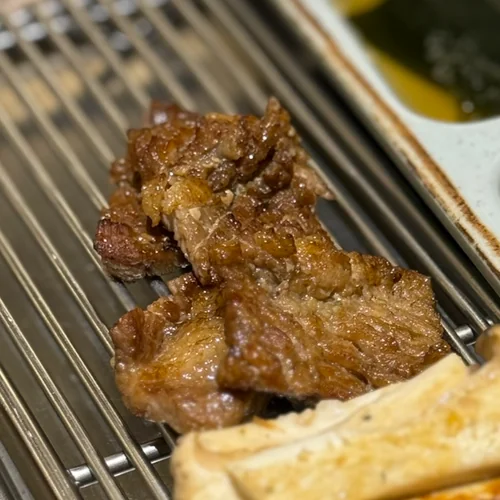
This is a premium-style Korean meat dining option where service and atmosphere matter.
Signature meat dishes make the decision easier because the restaurant identity is clear.
It suits dates and business/group meals that want comfort and a polished setup.
When searching apgujeong korean restaurant, add “galbi” or “premium grill” for better matches.
Structured Summary
- Order strategy
- 2 people: half platter + 1 shared rice/noodle item, then decide on extra meat
- 3–4 people: 2 half platters or 1 larger platter, sides minimal at first
- Spending pattern
- “One platter” often turns into “one more platter” when the meal pace is relaxed
- Easy example
- If the goal is “fast and cheap,” soup/meal places match better than premium grill
6. The Giwa Choice
Pub-style Korean dining is all about selecting a balanced set of share plates.
The menu variety is a strength, but it can also create unnecessary repeat orders.
Choosing different categories (pancake/noodles/boiled dishes/seafood) improves the table.
If you want a vibe-oriented apgujeong korean restaurant, add “makgeolli” or “Korean pub” in search.
Table
| Group Size / Goal | Suggested Structure | Decision Checkpoints | Common Mistake |
|---|---|---|---|
| 2 people (date) | 2 plates + 1 drink | Avoid two “heavy” plates | Over-ordering first round |
| 3–5 people (group) | 3–4 plates + 2 drinks | Spread categories | Ordering similar items only |
| Conversation-focused | 1 strong-flavor item max | Confirm taste preferences | Too many strong flavors |
7. Samsam Bone Soup Choice
This is a budget-friendly Korean meal style centered on clear soup options. It’s easy to choose because the base is consistent and spice level is selectable. It fits lunch, quick dinner, or a simple “one bowl” plan in busy Gangnam days.
For a quick meal search, apgujeong korean restaurant + “soup” often works well.
Structured Summary
- Menu decision
- Clear bone soup: clean base, straightforward
- Spicy / hangover style: stronger flavor, common after drinking
- Bone noodle soup: soup + noodles in one order
- Helpful case
- After nightlife, most people decide based on “spicy vs clear” first
- Simple example
- For 2 people: 2 bowls + 1 shared side is a common satisfaction pattern
8. Atmosphere Match
Atmosphere is not “good or bad”—it’s a match to purpose: talk, photos, group energy, or speed. Soup places feel casual; premium meat places feel focused; pub-style places encourage longer stays.
For groups, the key difference is the seating plan (hall/booth/terrace).
Purpose-first filtering speeds up choosing an apgujeong korean restaurant.
Table
| Purpose | Priority | Best Type | Matching Place |
|---|---|---|---|
| Late-night meal | Hours + access | 24-hour soup | Dakhanmari Gamjatang |
| Business/group dinner | Service + seating | Premium grill | Hobo Sikdang |
| Vibe + drinks | Interior + menu variety | Korean pub style | The Giwa |
| Lunch/value | Price + speed | One-bowl soup | Samsam Bone Soup |
9. Order Examples
A safe ordering method is to start with the main and decide add-ons later. This reduces waste and keeps the meal aligned to hunger level and time. Two-person and four-person tables need different structures to feel “complete.”
Search apgujeong korean restaurant with “2 people set” or “group menu” to find similar patterns.
Structured Summary
- 2 people (soup)
- 1 main pot → 1 noodle add-on → 1 finishing item (porridge/fried rice)
- 2 people (premium grill)
- 1 half platter → 1 shared rice/noodle → add extra meat only if needed
- 4 people (pub style)
- 3 plates (different categories) + 2 drinks (different preferences)
- 4 people (quick meal)
- 4 bowls + 1 shared side for speed and clarity
10. Reservation & Parking for apgujeong korean restaurant
For groups or car travel, reservation and parking options matter as much as the food.
Valet service often makes meeting logistics simpler in Apgujeong. Takeout is useful when schedules change suddenly.
Before booking, confirm group size, arrival time, and parking needs.
Table
| Place | Group Seating | Parking/Valet | Reservation/Takeout | Note |
|---|---|---|---|---|
| Dakhanmari Gamjatang | Listed available | Listed available | Listed available | 24-hour |
| Hobo Sikdang | Listed available | Listed available | Listed available | Premium grill |
| The Giwa | Listed available | Listed available | Listed available | Pub-style |
| Samsam Bone Soup | Check listing | Check listing | Check listing | Quick meal focus |
“Check out other travel information”