
Staying at Seongeup Village Traditional House offers a meaningful opportunity to experience how Koreans historically lived, surrounded by preserved architecture and traditional residential layouts. The village has kept its cultural identity intact, especially in the context of jeju traditional village, where daily life and historical elements coexist. This is not merely accommodation, but a chance to stay inside an active heritage village while learning cultural traditions, food practices, and living customs.
1, Overview of jeju traditional village
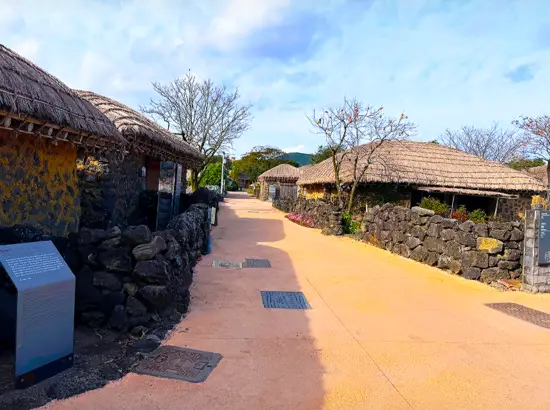
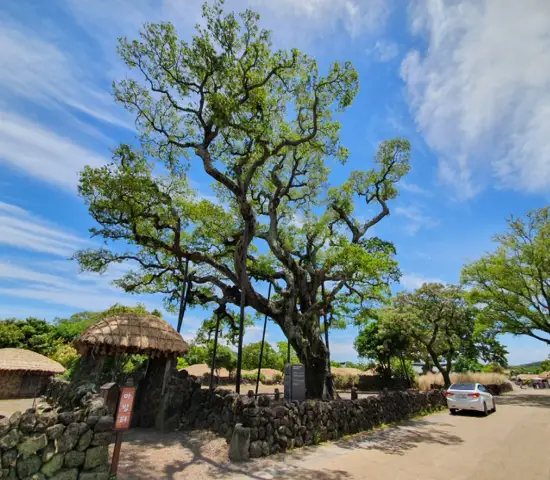
Jeju’s Seongeup Village Traditional House area is considered one of Korea’s best-preserved cultural villages, historically serving as an administrative hub during the Joseon Dynasty period. The original housing structure, volcanic-stone walls, thatched roofs, and alley system remain visually intact.
The reason the area retains high cultural value includes:
- Durable basalt stone construction
- Low, natural boundary walls
- Thatched-roof systems using hand-woven plant materials
- Existing residential living environment
What differentiates Seongeup from museum-style heritage zones is that people still live here—not reenactments, but actual daily life. This allows visitors to experience a living residential system shaped by history.
For travelers unfamiliar with Korean culture, jeju traditional village is an approachable way to understand the foundation of Korean neighborhood planning and traditional architecture.
2, Structure and Features of Seongeup Village Traditional House
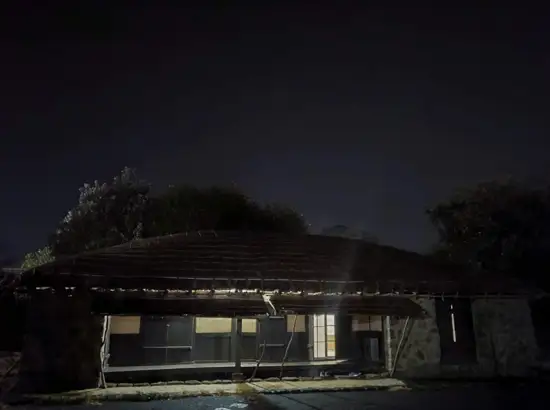
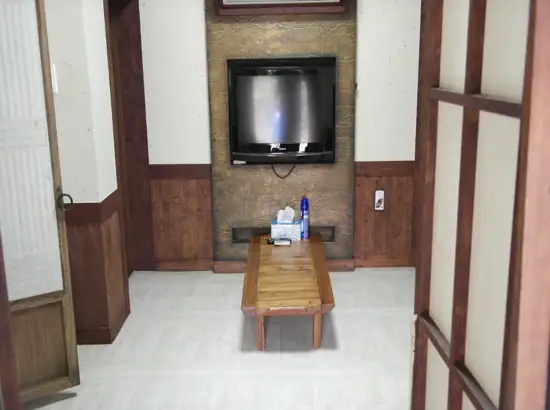
The Seongeup Village Traditional House maintains the original structure externally and offers modern facilities inside. The combination gives comfort while preserving authenticity.
Internal facilities you will find:
- Heated floors (Korean ondol system)
- Bedding or Western-style bed depending on the room
- Private bathroom with hot-water shower
- Air-conditioning & heating system
- Basic toiletries
External structure and materials:
- Thatched roofing
- Hand-built basalt stone walls
- Low gate and courtyard layout
- Natural pathways connecting rooms
One of the most culturally meaningful features is heated-floor sleeping (ondol). This style is uniquely Korean and often becomes a memorable part of travelers’ experience.
3, Booking and Reservation Information
You may book the Seongeup Village Traditional House online or via official inquiry channels. Since rooms are limited, scheduling early is encouraged—especially on weekends and holiday seasons.
When booking, these items are important to confirm:
Required details
- Number of guests
- Staying period (date range)
- Check-in message from management
- Payment method (pre-payment or on-site guidance)
- Availability of activity programs
Once booked, you will receive a notice including check-in time, access route, and program availability. Bookings are not instantly competitive like hotels, but due to cultural experience interest, rooms commonly fill on highlighted seasons.
4, Cultural Programs & Hands-On Activities (Information-Based)
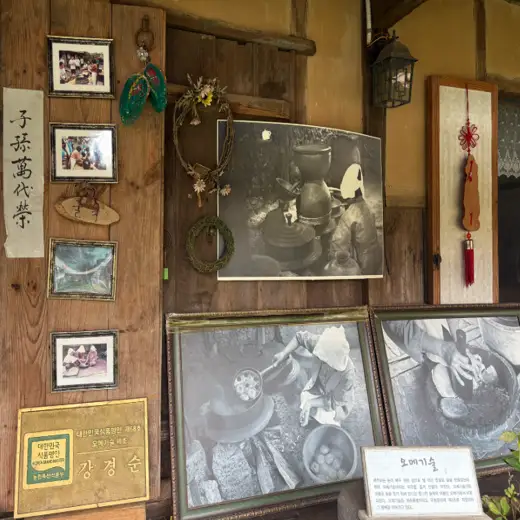
Guests staying at the Seongeup Village Traditional House may join cultural classes guided by local instructors. These are not entertainment-based, but authentic learning experiences.
Typical activities include:
- Traditional folk singing lesson (Jeju melody style)
- Introduction to Jeju liquor (Omegi-sul, Gosori-sul)
- Handmade craft sessions (stone craft or ornamental household goods)
- Traditional clothing (Hanbok) dressing & photography
Many travelers use these programs as educational opportunities, especially families with children or visitors interested in cultural anthropology.
Moreover, engaging in activities within a jeju traditional village supports local preservation initiatives because participation helps sustain traditional craftsmen and cultural instructors.
5, Recommended Daily Travel Course
Below is the most commonly utilized plan structured for convenience:
| Time | Suggested Activity | Notes |
|---|---|---|
| 13:00 | Arrival at village | Collect introduction leaflet |
| 14:00 | Walking through preserved alleys | Observe original household structures |
| 16:00 | Check-in at Seongeup Village Traditional House | Facility introduction provided |
| 18:30 | Free evening walk | Suitable sunset photography |
| Next Day 09:40 | Participate in cultural class | Flexible depending on booking |
| 11:30 | Move to nearby sightseeing spots | Recommended list below |
This plan suits travelers who want meaningful experiences within short timeframes.
6, Major Nearby Attractions – Distance Clarified
For better planning, the following list compares distances from the village:
| Attraction | Approx. Drive Time | Experience Type |
|---|---|---|
| Seongsan Sunrise Peak | 12–15 mins | UNESCO site & sunrise viewpoint |
| Ilchul-Land Garden | 6–8 mins | Botanical garden & art structures |
| Pyoseon Beach | 10 mins | Gentle waves, suitable for families |
The ease of distance allows travelers to complete multiple experiences within the same day.
7, Transportation Overview (Single Summary Section)
The Seongeup Village Traditional House area is located on the southeastern side of Jeju Island, where access routes are straightforward and signage is available in English.
Transportation options:
- Rental car is most recommended
- Taxi from major attractions is available
- Bus stops exist at village entrance but timing is slower
For foreign tourists, navigation applications (Naver Map / Kakao Map) support English mode and provide accurate guidance.
8, Important Etiquette Before Staying
Because houses are historically protected, visitors are kindly requested to observe etiquette rules such as:
- Removing shoes before entering interior bedroom space
- Avoiding loud noise during late hours
- Not touching structural frames and rafters unnecessarily
- Keeping indoor cleanliness and waste sorting
These guidelines help preserve the integrity of cultural properties.
Final Closing Guide
The experience at Seongeup Village Traditional House is more than sleep and rest; it represents cultural immersion that continues to teach visitors about heritage-based housing styles and rural family culture. The beauty of jeju traditional village lies in living within its real spaces—not learning from interpretations but engaging directly through dwelling, activities, and respectful interaction.
This experience is highly recommended for individuals interested in tradition, couples seeking authentic environments, and families traveling with children.
“Check out other travel information”